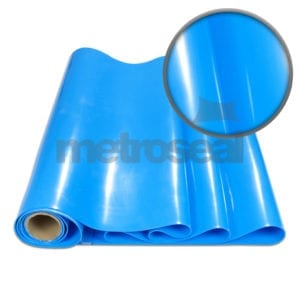
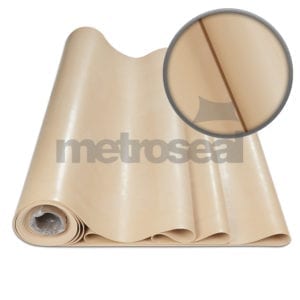
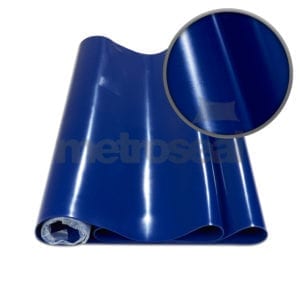
Why rubber sheets matter
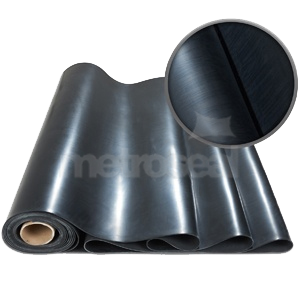
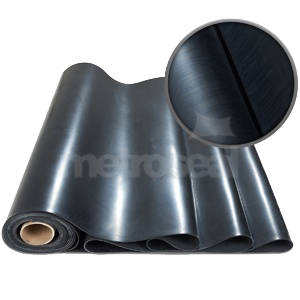
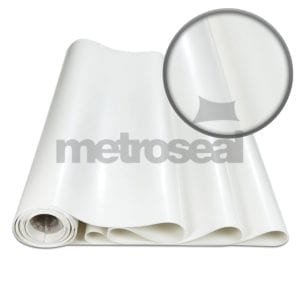
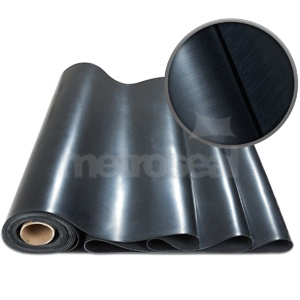
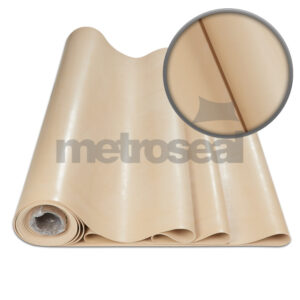
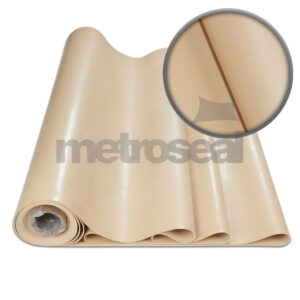
A critical component in a wide variety of operational sectors, rubber sheeting is far more than a material used to fill gaps. The right sheet creates a reliable seal, protects surfaces from chemical attack, absorbs vibration and withstands conditions that would quickly degrade lesser materials. Getting the specification right from the outset avoids premature failure, unplanned downtime and costly replacements. Selecting the appropriate compound, thickness and certification is as important as the dimensions themselves.
Benefits of rubber sheeting
- Durability: high-grade compounds resist abrasion, mechanical wear and sustained load without cracking or splitting
- Resistance: our grades withstand oils, fuels, solvents, UV radiation, ozone and prolonged moisture exposure without degrading
- Temperature performance: compounds available for continuous use from -60°C to over +200°C
- Versatility: suitable for construction, manufacturing, healthcare, engineering, marine, automotive and more
- Custom sizes: using CNC precision cutting, we can cut to exact specifications to ensure accurate tolerances and reduced waste
- Compliance: grades available to meet the regulatory requirements of the most demanding sectors
Rubber sheeting types
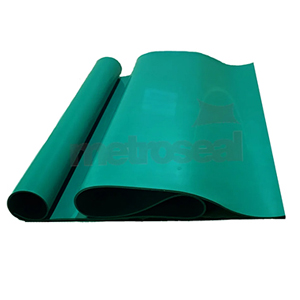
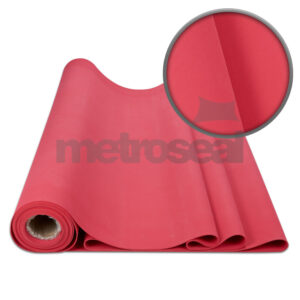
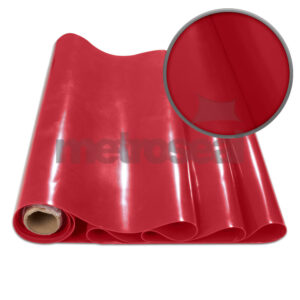
Choose from over 50 grades across a wide range of compounds, matched to your environment and application. Our rubber sheeting range includes Nitrile, EPDM, Neoprene, Silicone and many more elastomers, each suited to different chemical, temperature and wear requirements.
Bespoke compounded rubber sheets can be manufactured to meet specific performance or wear requirements not covered by standard grades.
Thicknesses
Thinner sheets offer greater flexibility for sealing and lining, while thicker options provide increased durability, impact resistance and load protection.
0.5–2 mm: gaskets, seals and light duty lining
3–4 mm: general industrial protection and lining
5–6 mm: machinery protection
8–10 mm: high-impact and abrasion-resistant environments
12 mm+: maximum protection for demanding industrial use
Properties
Different rubber compounds offer varying levels of strength, flexibility and resistance depending on the environment they are used in.
Shore A hardness: measures how soft or hard the rubber is
Abrasion & tear resistance: determines how well the rubber withstands wear, friction and tearing
Chemical resistance: indicates suitability for exposure to oils, fuels and chemicals
Temperature resistance: defines the temperatures the material can reliably withstand
Tensile strength: measures resistance to stretching and pulling forces
Compression set: ability to recover after compression
For technical advice on selecting the right rubber sheeting, call our knowledgeable team on 01702 548800, send us an email or complete the contact form.